by Wonsuh Song (PUAC GSC committee member)
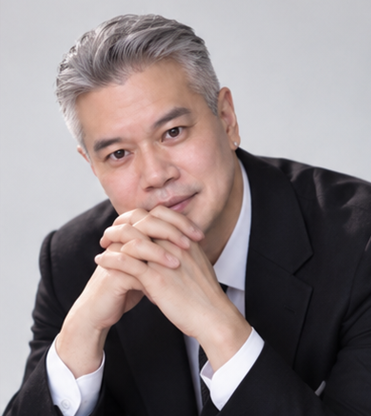
【Seoul, Korea】─ Mr. Dong Seung Chul, the Deputy Secretary-General of the Peaceful Unification Advisory Council (PUAC), has dedicated over three decades to advocating for reunification since joining the organization in 1992. Raised in the frontlines of Gangwon Province, Dong’s early experiences with security threats shaped his commitment to peace and reunification. This interview provides a deeper understanding of his philosophy on reunification, his strategies to empower youth and women, the importance of international cooperation, and his extensive social contributions.
The Path to Reunification
Reflecting on his journey with PUAC, Dong emphasizes that reunification is not a task for a few politicians or experts, but a collective endeavor for all citizens. “Reunification should be achieved by the people themselves,” he insists. Dong believes that reunification is a comprehensive process requiring broad participation and preparation. PUAC plays a unique role as a presidential advisory body under Article 92 of the Constitution, directly engaging citizens in discussions and preparations for reunification. “Joining PUAC allowed me to communicate directly with the people about our nation’s dream of reunification,” Dong explains.
Dong Seung Chul’s passion for reunification stems from his childhood experiences in Gangwon Province, a region close to the North Korean border. “Growing up, there was always an underlying fear due to the proximity to the border and rumors of armed infiltrators,” he recalls. These experiences ingrained in him a strong sense of security awareness and a desire for reunification, which have continued to shape his work at PUAC. “Achieving reunification requires recognizing our differences and finding common ground to cooperate,” he stresses, emphasizing the importance of collaboration and understanding in the reunification process.
Key Projects and Initiatives of PUAC
Dong elaborates on the major projects currently being undertaken by PUAC, particularly focusing on the initiatives following President Yoon Suk-yeol’s presentation of the ‘8·15 Unification Doctrine’ during the 79th Liberation Day celebration. “The doctrine outlines our vision, strategy, and plan for reunification, and PUAC is committed to advising and supporting the President in implementing these policies,” he explains.
To bring the ‘8·15 Unification Doctrine’ to life, PUAC is focused on three main objectives: enhancing public awareness of reunification through broad consensus, strengthening reunification capabilities by sharing successful resettlement cases of North Korean defectors, and promoting support for unification and human rights in the international community. “We are particularly focused on mentoring activities that help North Korean defectors successfully integrate into their communities,” Dong notes, highlighting the importance of tailored support and community engagement.
Empowering Youth and Women
Dong emphasizes the critical role of youth and women in the future of reunification efforts. “Youth council members are not just the future leaders of PUAC; they are essential players in shaping a peaceful and unified Korea,” he says. To this end, PUAC is actively encouraging youth participation through events such as ‘One Step Closer to Unification 2024’ and the upcoming ‘2024 World Youth Committee Conference’ in Warsaw, Poland. “These events offer young people a platform to express their views and contribute to the direction of unification policies,” Dong adds.
Similarly, the involvement of women in PUAC is being strengthened. Dong notes that despite women making up over half of society, their voices have often been underrepresented. “We need more women to step forward, share their perspectives, and play a central role in our activities,” he asserts. PUAC has organized several workshops and conferences to enhance the capabilities of female council members and build a strong network of female leaders domestically and internationally.
The Importance of the Global Strategy Committee
Recognizing that reunification is not solely a domestic issue, Dong highlights the significance of the Global Strategy Committee (GSC) within PUAC. “Reunification is an international issue, and the GSC is crucial in promoting South Korea’s peace and reunification policies worldwide,” he explains. The GSC brings together Korean talents from various fields—politics, diplomacy, economics, culture, arts, healthcare, law, science, and technology—to build a global network and develop strategies for unification. “Our goal is to share the vision and values of a unified Korea with the international community and garner global support,” Dong emphasizes, underscoring the importance of international collaboration in achieving reunification.

Collaboration with Mulmangcho and Other Social Contributions
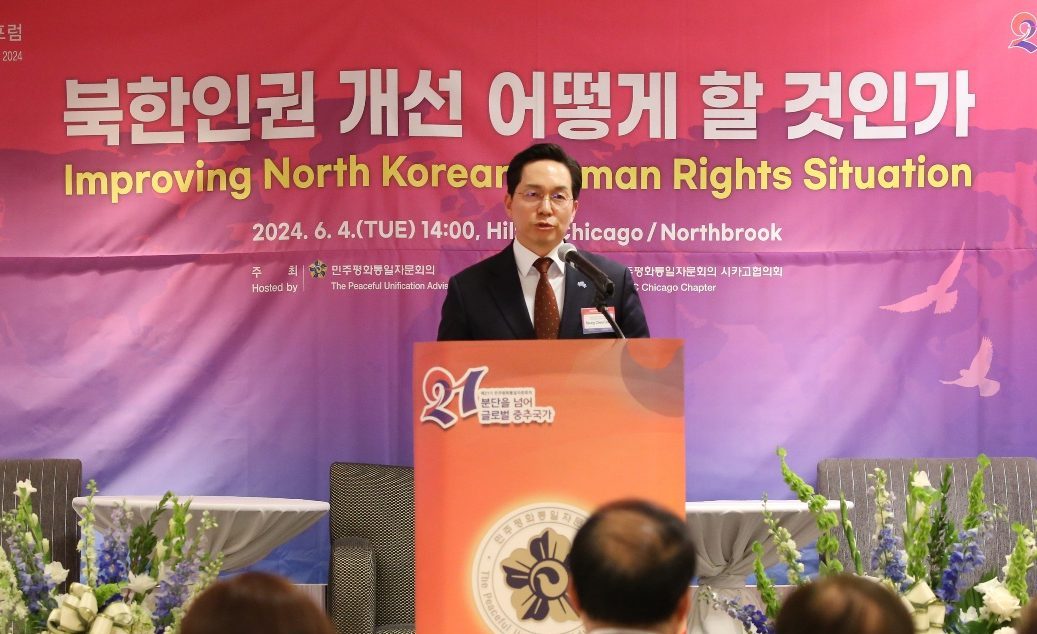
Beyond its policy work, PUAC is also deeply involved in social contribution activities. Dong describes the organization’s collaboration with Mulmangcho, a group dedicated to helping North Korean defectors settle in South Korea and raising awareness about human rights issues in North Korea. “These partnerships are crucial in not only supporting defectors but also in fostering public interest and involvement in the reunification process,” he explains. PUAC has also partnered with medical institutions to provide healthcare to defectors and with universities to support defector students, reflecting a comprehensive approach to social integration and support.
Effective Communication and Self-Management
Known as a ‘master communicator’ within PUAC, Dong attributes his reputation to active listening and transparent dialogue. “I believe it’s essential to respect and truly understand the perspectives of others through open communication,” he says. Additionally, he emphasizes the importance of self-management for effective leadership. Practicing traditional Korean martial arts like Kukseon-do and archery, Dong maintains both physical and mental well-being. “Balancing the body and mind is crucial for staying focused on our mission of reunification,” he remarks.

Public Diplomacy and Support for Overseas North Korean Defectors
Dong also addresses strategies for supporting North Korean defectors living abroad, emphasizing the role of public diplomacy. “Defectors living overseas often have more experience and a greater desire for reunification than those in South Korea. PUAC and its overseas council members need to provide support and opportunities for them to play a meaningful role in their communities and on the international stage,” he suggests. Expanding support programs and promoting the rights and independence of defectors are key elements of PUAC’s strategy to amplify their voices globally.

Future Plans and Aspirations
Looking ahead, Dong remains committed to his role in advancing reunification efforts. “PUAC is a unique constitutional body dedicated to preparing for and achieving reunification. As Deputy Secretary-General, I am focused on fulfilling our role and helping to accelerate the unification process,” he states. He believes that PUAC’s activities are vital for realizing a unified Korea and continues to strive toward this goal with unwavering dedication.
What is Peaceful Unification Advisory Council (PUAC)?
The Peaceful Unification Advisory Council (PUAC) is a consultative body established by the South Korean government to gather and support public opinion from local communities on policies aimed at peaceful unification. The council aims to strengthen the foundation for unification by reflecting the opinions of civil society in government policy through its regional councils, which are set up both domestically and internationally. Within South Korea, there are 18 regional councils (17 city and provincial councils, plus a North Korean regional council), and overseas, there are 5 regional councils located in Japan, China, Asia-Pacific, Americas, and Europe-Middle East-Africa.
The 21st term of the PUAC is composed of 21,984 advisors. Of these, 17,946 are domestic advisors (14,658 functional representatives and 3,288 regional representatives), and 4,038 are overseas council members representing Korean compatriots in 136 countries. The term runs from September 1, 2023, to August 31, 2025. Among the advisors, 6,414 are women (34.3% of the total), and 4,952 are young adults (26.5% of the total), including 1,000 selected through a youth participation recruitment program.
PUAC engages in activities to foster public consensus for peaceful unification through public opinion formation in local communities and collaboration with civil society organizations. It also actively promotes programs aimed at fostering unification awareness among the next generation, conducting various initiatives both domestically and internationally.