By Wonsuh Song
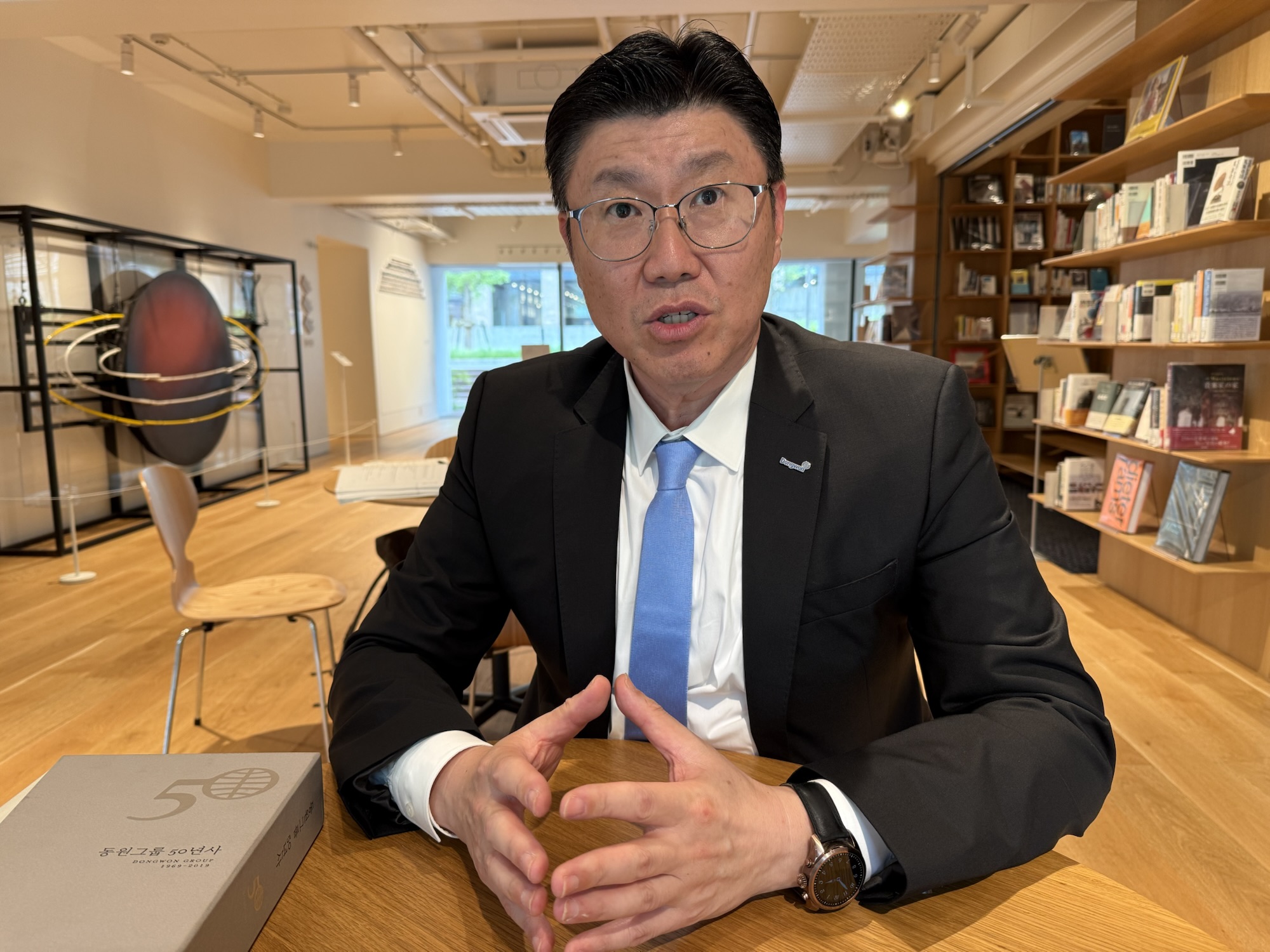
The story of Mr. Kiseok Ha, head of Dongwon Japan, is more than a corporate success tale. It is a chronicle of how one grows, how one makes the field into a stage, and how trust becomes the true currency of business. His journey always began with questions. Every evening, his father, a teacher, would ask at the dinner table: “What did you do today?” That simple habit of inquiry trained him to reflect, explain, and never stop questioning—a discipline that shaped his life.
He entered Yonsei University dreaming of becoming a diplomat, majoring in political science. But the campus of 1988 was filled with protests and turmoil, leaving him disillusioned. A turning point came when he watched Dead Poets Society in a small Sinchon theater. The freedom of American classrooms captivated him. The very next day, he applied for an exchange program and soon landed in Maryville College, Tennessee. There, friendships with Japanese students opened his eyes to Japanese language and culture, which he pursued further at Yonsei’s graduate school and later at Rikkyo University in Tokyo.
In 1998, amid the Asian Financial Crisis, he unexpectedly joined Dongwon. The food industry was new territory, but exporting seaweed and tuna to Japan taught him the “language of business.” He learned by doing—sales, logistics, marketing, design. His two years in Sapporo, running tasting events and speaking directly to consumers, taught him that trust was the most valuable capital.
In 2010, he incorporated Dongwon Japan with just ¥20 million and a handful of staff. For seven years the company bled red ink. After a sharp rebuke from founder Mr. Jae-Chul Kim, he resolved to shoulder every role himself—sales, accounting, logistics, design. By 2018 the tide turned, and during the pandemic, Rapokki exploded at Costco, sending revenues soaring.
His credo is simple: “There is no taste without concept.” Rapokki was crafted as an experience, from fonts and instructions to cooking rituals, later expanding into rose and black-bean variations. Gochujang tuna was patiently cultivated for 15 years before blossoming into a joint product with Maruha Nichiro. Yangban seaweed, present in Japanese households for over two decades, earned trust by resisting careless price hikes. “In Japan, it takes at least ten years for Korean food to root. Consistency is the key.”
This philosophy extends to people. With only about five employees, Dongwon Japan entrusts even rookies with major projects—events, SNS campaigns, Costco partnerships. Failures are not stigmatized but treated as portfolio entries. “It’s not the title but what you’ve done that sets your value,” Mr. Ha insists.

He views brands not as products but as cultural experiences. Leveraging BTS Jin’s “Super Tuna” for a limited edition, experimenting with Shinjuku’s 3D cat billboard, and engaging directly on Instagram transformed the brand into a cultural dialogue. At the same time, he supports kimbap-making classes and K-POP contests across Japan, creating grassroots bridges. “Politics may cool, but children’s hands stay warm. Korea and Japan connect through daily life.”
To young people, his message is clear: “Do not fear failure. Failure is the most valuable asset. The company gives you a stage; the time you dance on it becomes your portfolio. Chase not the title, but the achievement.”
Mr. Ha’s story is one of turning failures into assets, transforming the field into a stage, and dancing forward into new challenges.

By Wonsuh Song (Ph.D.)